



Biel Campus: post-and-beam and CLT structure with over 12,000 m³ of timber
The BFH campus in Biel: an engineered timber hub combining construction complexity, site logistics and structural connection systems
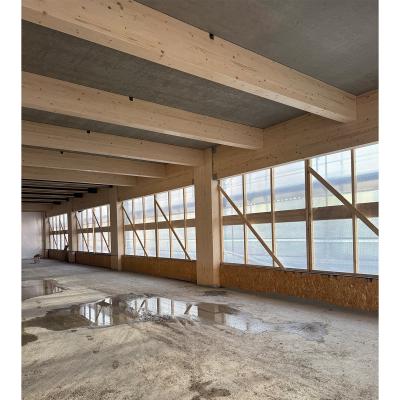
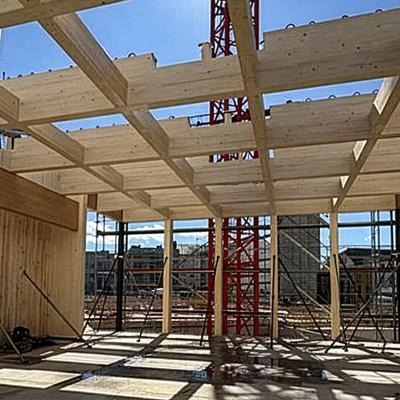
The Bern University of Applied Sciences campus in Biel represents one of the most advanced examples of large-scale timber construction in Switzerland, where post-and-beam structures, CLT elements and prefabrication strategies are integrated into a single construction system.
Located just steps from the railway station, the project brings together the Departments of Technology and IT and Architecture, Timber and Civil Engineering within one campus, addressing the long-standing challenge of a fragmented university layout.
The result is a cohesive yet articulated complex that accommodates teaching, research, laboratories and shared facilities. Its significance goes beyond scale: the project clearly demonstrates how, in large-scale timber construction, quality depends on the ability to coordinate structure, prefabrication, logistics and connection systems within a unified execution process.
A complex building system for a timber campus
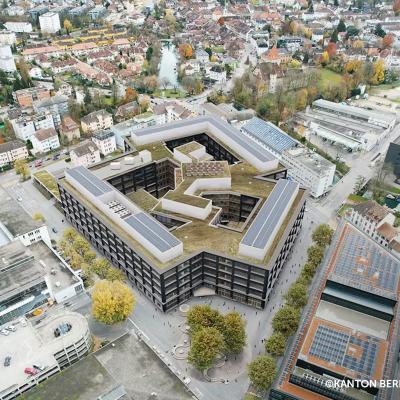
The campus has been designed as a system of interconnected volumes. Six buildings of varying heights are arranged within a layout that alternates built spaces with collective areas: internal courtyards, circulation paths, terraces and public zones.
This configuration introduces a level of complexity that goes beyond architectural design. The structure must support a highly articulated functional layout, while the connections between buildings require geometric continuity and execution accuracy. In this context, design is aimed at ensuring consistency across all phases, from production to on-site assembly.
PROJECT LAYOUT DRAWING
Project execution has been entrusted to the general contractor Marti Gesamtleistungen, while structural engineering is led by Wolfram Kübler of WaltGalmarini AG, one of the most authoritative engineering firms in Switzerland for the design of complex structures and a member of the BUILD THE (IM)POSSIBLE jury. The timber construction works were awarded to Künzli Davos AG. Overall project management is led by Sebastian Wissing, supported by a 14-member project team, including engineer Klara Meyerbröker, who plays a key role in overseeing on-site operations and coordination.
Building with engineered timber: a hybrid structural system
With approximately 12,000 m³ of timber used, the Biel campus ranks among the most significant contemporary projects in Switzerland in terms of scale and complexity in timber construction.
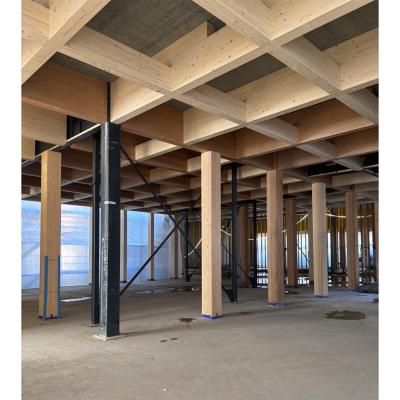
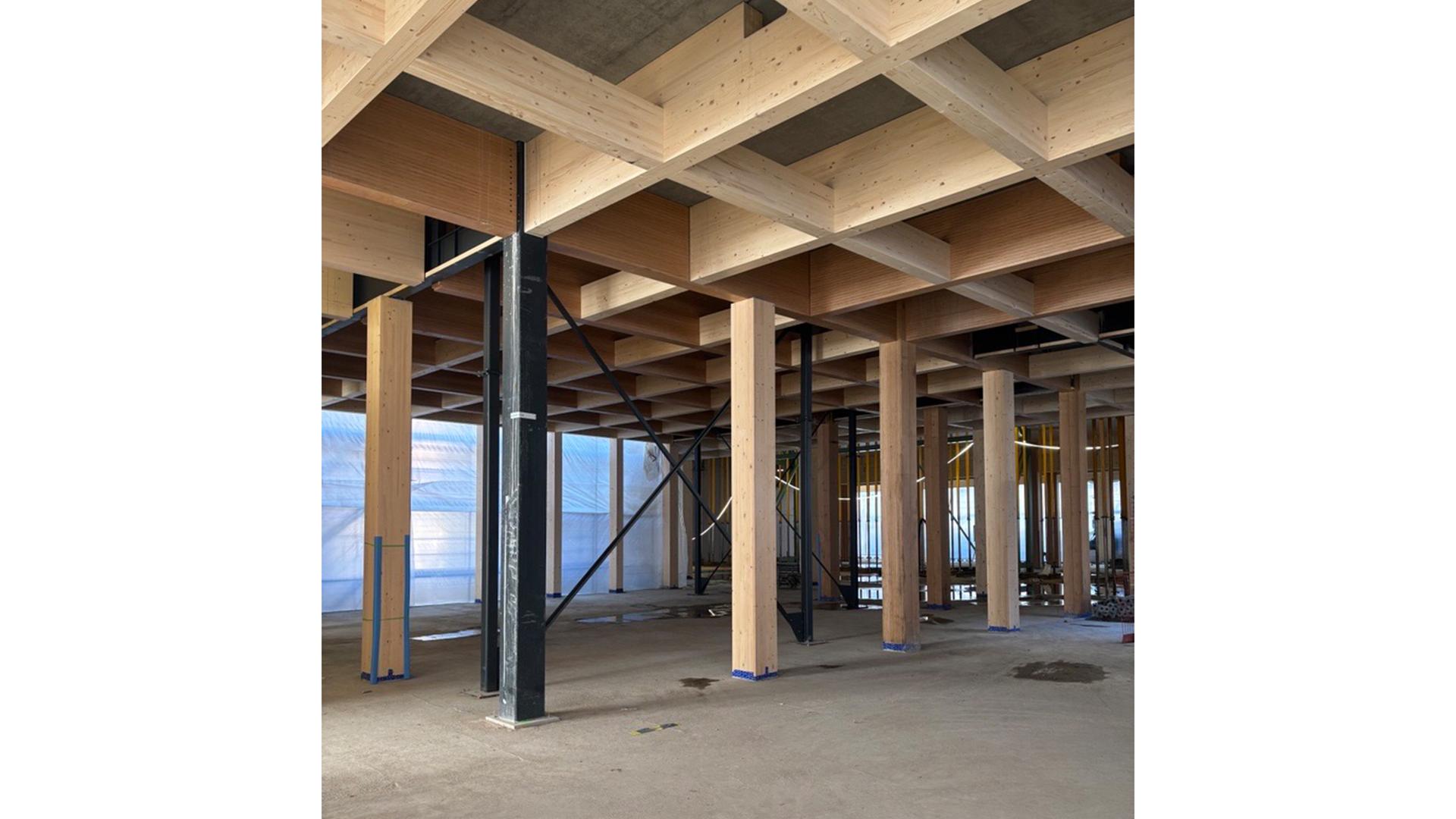
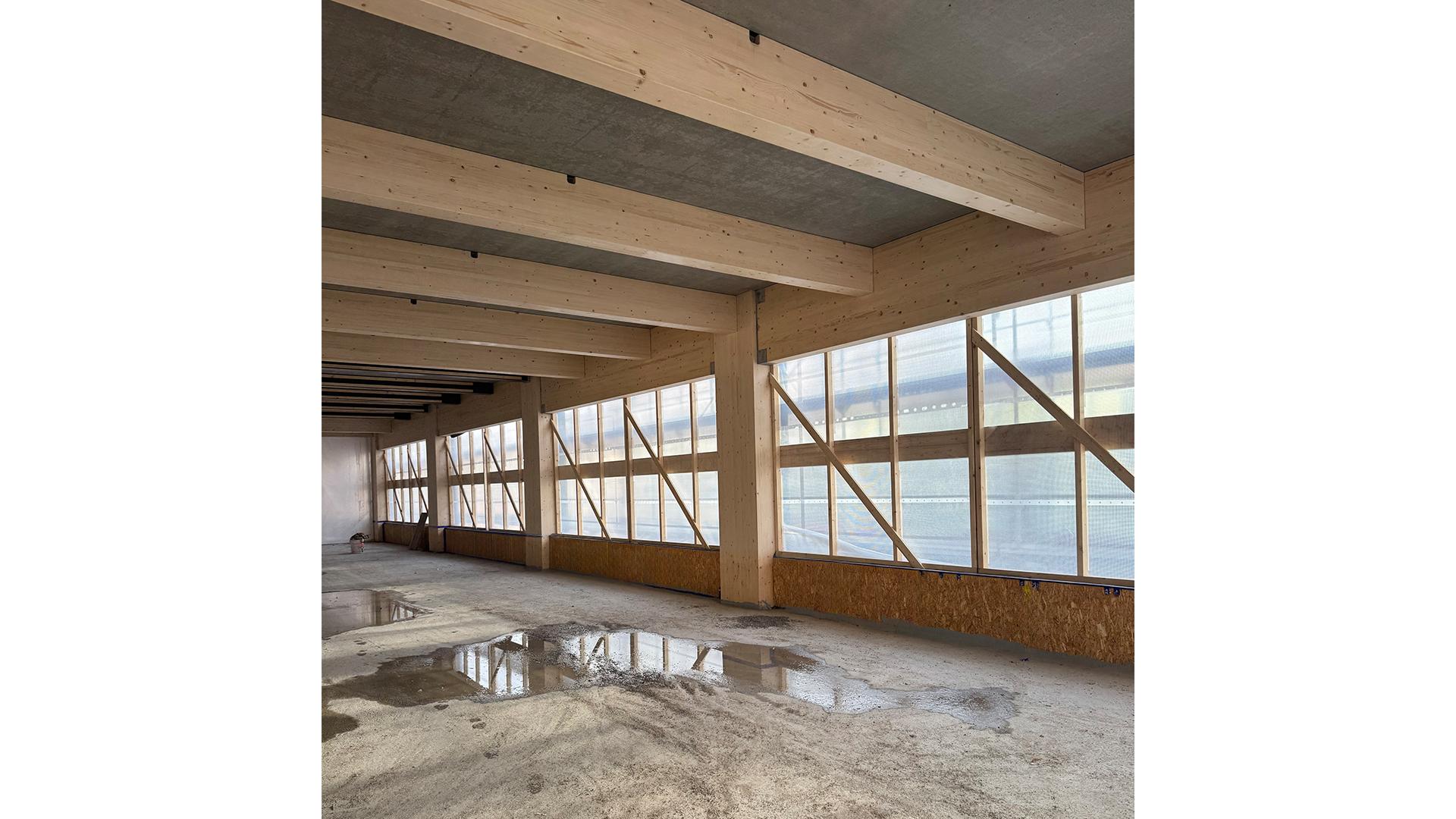
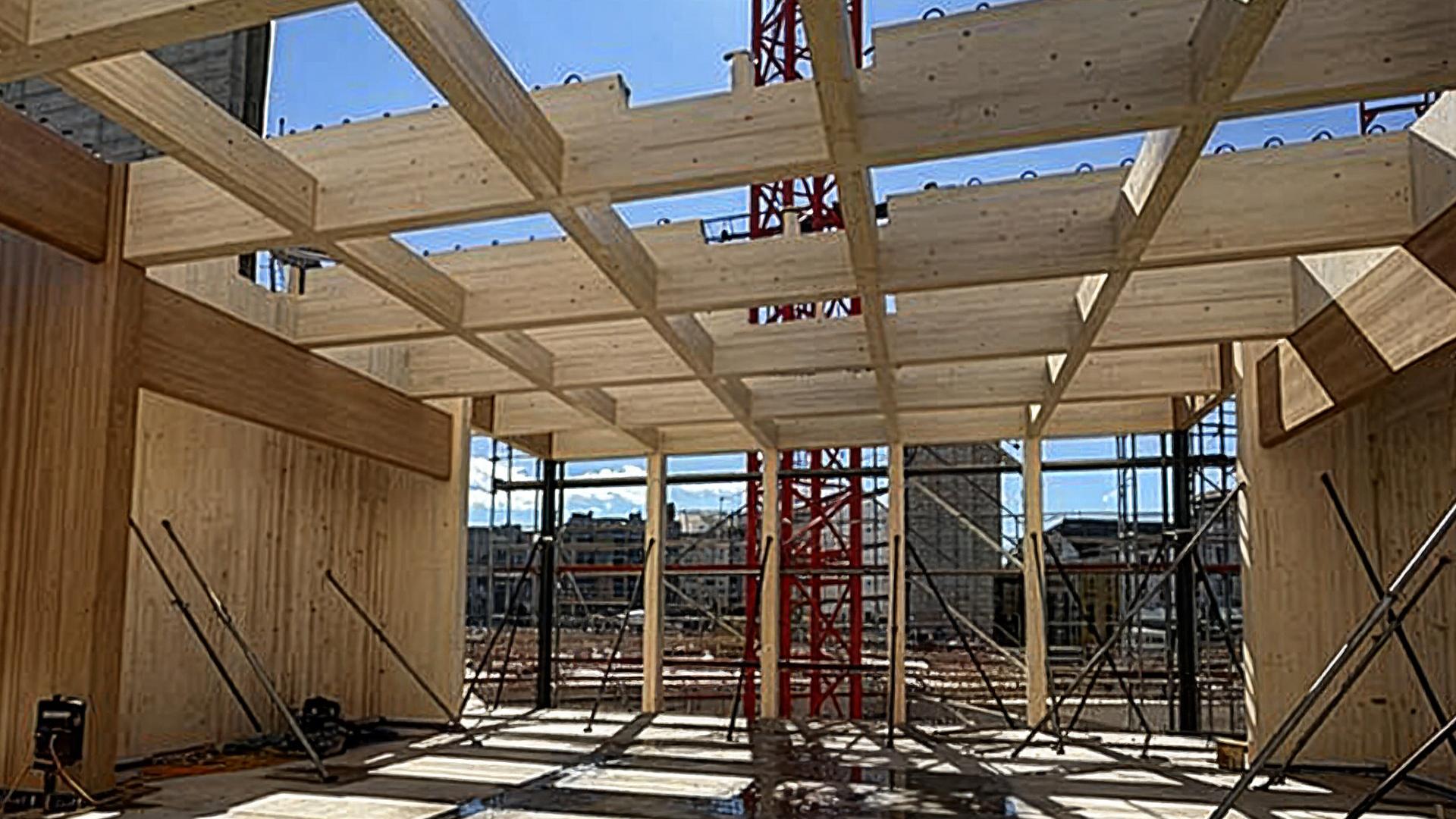
The system is hybrid: the underground levels and certain load-bearing cores are made of concrete, while the above-ground levels are predominantly constructed in timber. Within this configuration, the post-and-beam glulam frame plays a central role in transferring vertical loads and enabling large spans and flexible spatial layouts.
Prefabricated filigree concrete slabs are installed on horizontal beams, which are also made of glulam. Subsequently, a covering layer of steel-fibre-reinforced concrete is applied. The load-bearing system is further complemented by structural walls, some of which are made of CLT, which contribute to the overall rigidity, load distribution and general structural behaviour of the building.
Connections in post-and-beam systems: the joint as a key operational factor
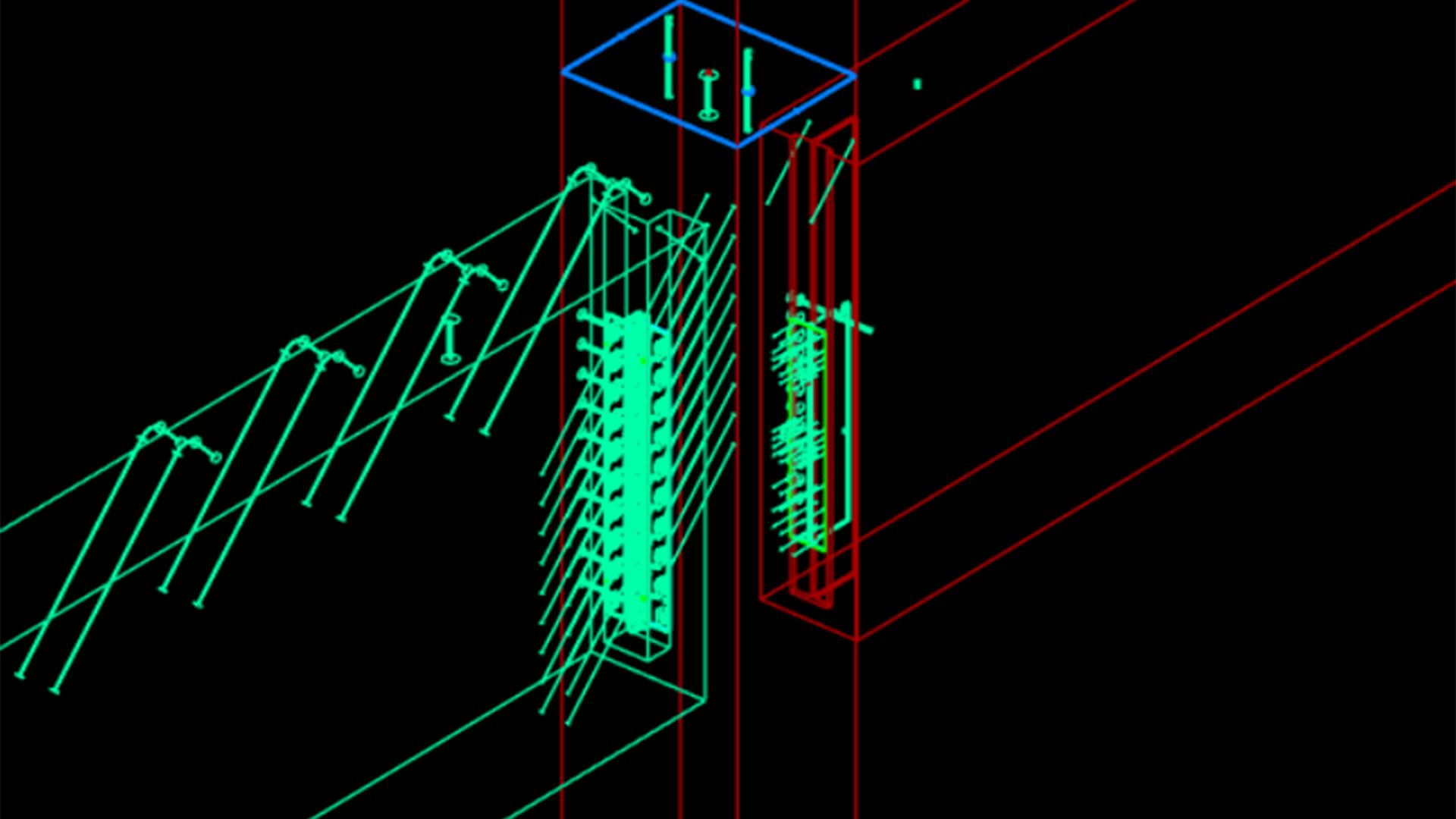
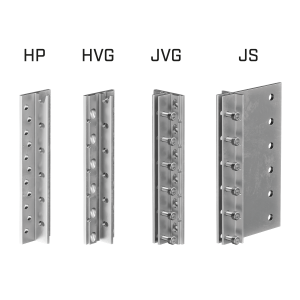
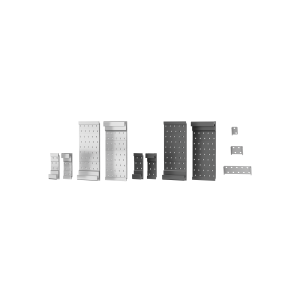
In the Biel Campus project, connections are a key element in the entire construction process. The primary joints between load-bearing elements are executed using high-capacity systems such as ALUMEGA, a hinge connector developed for beam-to-beam and beam-to-column connections in post-and-beam systems. At this scale, the value of such a solution lies not only in its structural resistance, but also in the geometric accuracy during assembly, installation speed, and the ability to ensure continuity between prefabrication and on-site erection.
At the level of joints and local reinforcements, connection performance is enhanced through the use of structural screws. These include fully threaded screws such as VGS and VGZ, selected for structural nodes and for fastening ALUMEGA, as well as partially threaded HBS screws, used for standard joints. Finally, concealed connectors from the LOCK family were widely used to connect timber beams.

Installation geometry and assembly precision
In systems of this kind, installation geometry directly affects connection performance.
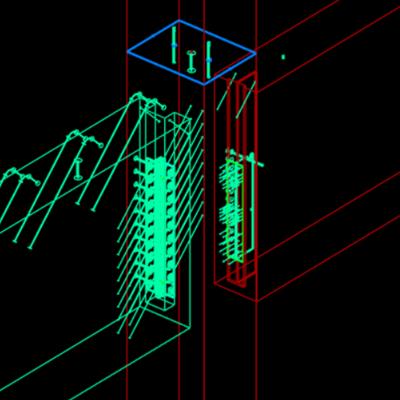
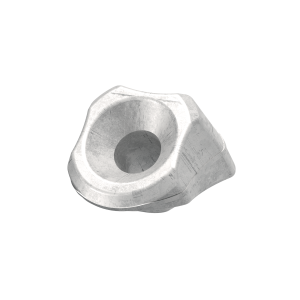
The VGU washer allows VGS screws to be installed on steel plates at a 45° angle, restoring the proper load-bearing behaviour of the screw in shear conditions. This detail highlights a critical but often overlooked aspect: in complex prefabricated systems, accuracy involves not only the positioning of primary elements, but also the control of local connection geometry.
In secondary connections—where details are repeated many times and directly impact execution time—solutions such as LBS are used to ensure fast, consistent and controlled assembly, reducing variability during installation.
Site organization and construction timeline
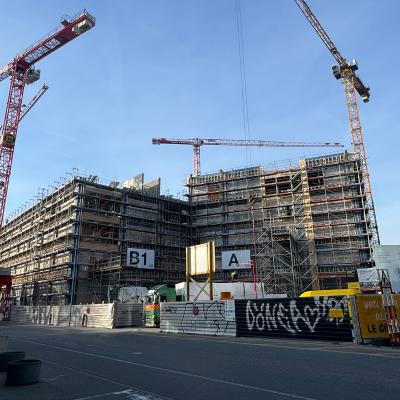
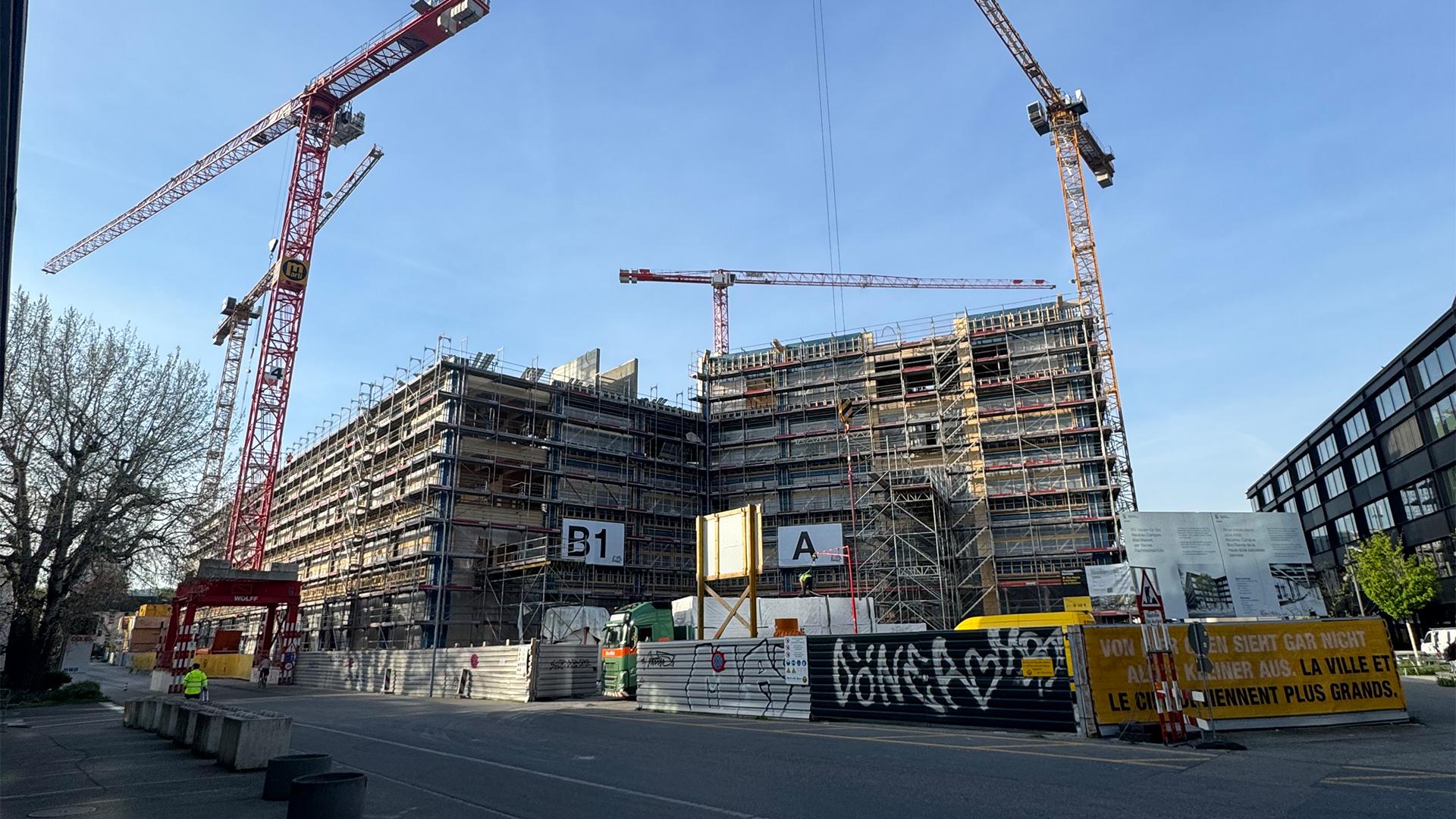
The Biel campus is one of the most significant public construction sites currently underway in the Canton of Bern. At peak phases, up to 400 workers are active on site, making planning a key factor in project success.
Assembly sequences must be precisely coordinated, logistics must ensure continuous workflow, and the construction site—located in a dense urban environment—introduces additional constraints.
Timber construction contributes to reducing overall construction time, but only when supported by a consistent design approach and strict control over interfaces between manufacturing, transport and installation.
Performance and sustainability
The campus is designed according to advanced standards such as Minergie-P and SNBS (Swiss Sustainable Building Standard), which require tight integration between envelope, structure and building systems.
Within this framework, timber significantly contributes to reducing environmental impact, while requiring careful management of service conditions and long-term durability. Here again, connection quality and construction accuracy directly influence overall building performance.
The Biel project highlights a key aspect of contemporary timber construction: scale amplifies process complexity. It is not only about material or technology, but about the integration of design, prefabrication and site operations. Within this balance, connection systems play a precise operational role: enabling the execution of complex architectures while maintaining control over time, tolerances and performance.
Explore technical solutions and application details for connection systems in large-scale timber structures on the official website, including real-case studies and installation schemes tailored to post-and-beam construction.
Reprodução reservada