



A school in Germany combining prefabrication, performance and rapid assembly
Public buildings in CLT: why Design for Assembly is crucial
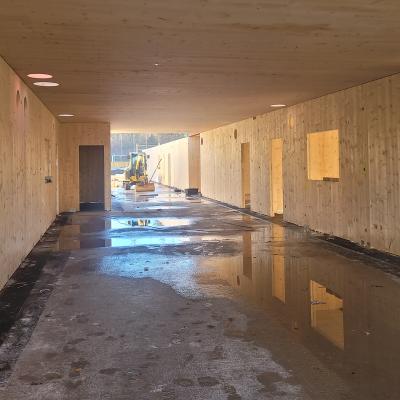
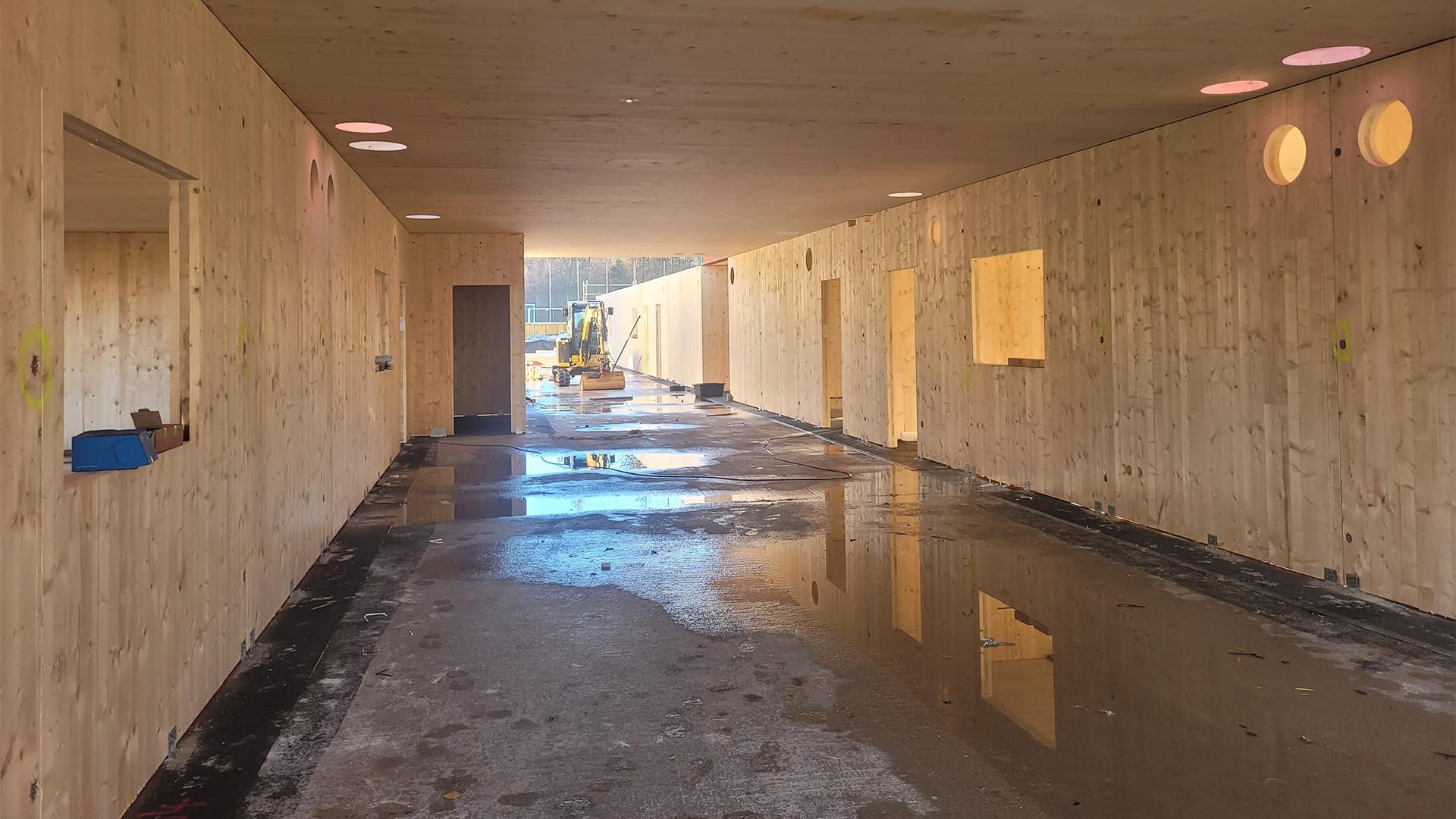
The construction of public buildings in CLT, such as schools, auditoriums and educational facilities, calls for a precise balance between technical performance, construction timelines and process reliability. In the case of a new school extension near Munich, designed to accommodate secondary-school classrooms and an auditorium, the designers’ focus was driven by compliance with stringent European regulations: achieving high acoustic performance, ensuring air, water and wind tightness, and meeting particularly tight construction schedules.
The project represents a practical example of Design for Assembly – that is, designing the building and its connections with the aim of simplifying off-site prefabrication, reducing on-site operations, and making assembly fast, controlled and repeatable.
Today, this approach is indispensable for public buildings in CLT, especially in light of the new European directives on energy performance.
Schools and public infrastructure: the regulatory framework and key considerations
The European Energy Performance of Buildings Directive (EPBD), updated in 2025, is one of the cornerstones of the EU strategy for decarbonising the construction sector. The objective is ambitious: to reduce emissions from the construction sector by 60% by 2030 compared to 2015 levels, and to achieve a zero-emission building stock by 2050.
The construction sector plays a central role in this transition:
buildings are responsible for around 40% of energy consumption in the EU;
more than one third of energy-related emissions come from the building sector;
approximately 85% of the European building stock was constructed before 2000, and 75% has insufficient energy performance.
Schools, nurseries and public infrastructure are thus considered a priority.
New public buildings must be zero-emission from 2025 onwards, while existing buildings with the poorest performance will be subject to mandatory renovation.
In this context, building a school in CLT means not only meeting structural requirements, but also knowing how to guarantee acoustic comfort, indoor air quality, durability and rapid construction. These are all aspects having a direct impact on both design and site decisions.
Prefabrication and on-site assembly: protecting CLT and reducing construction times
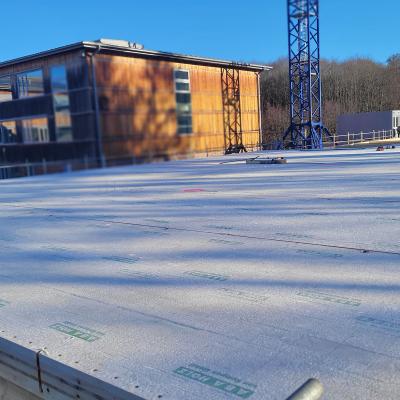
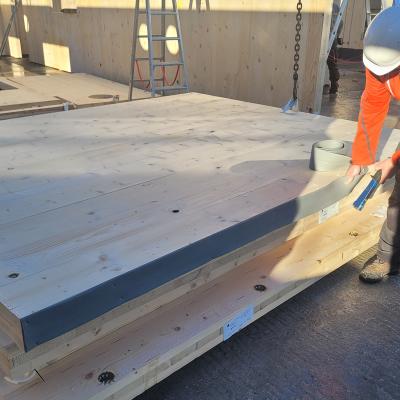
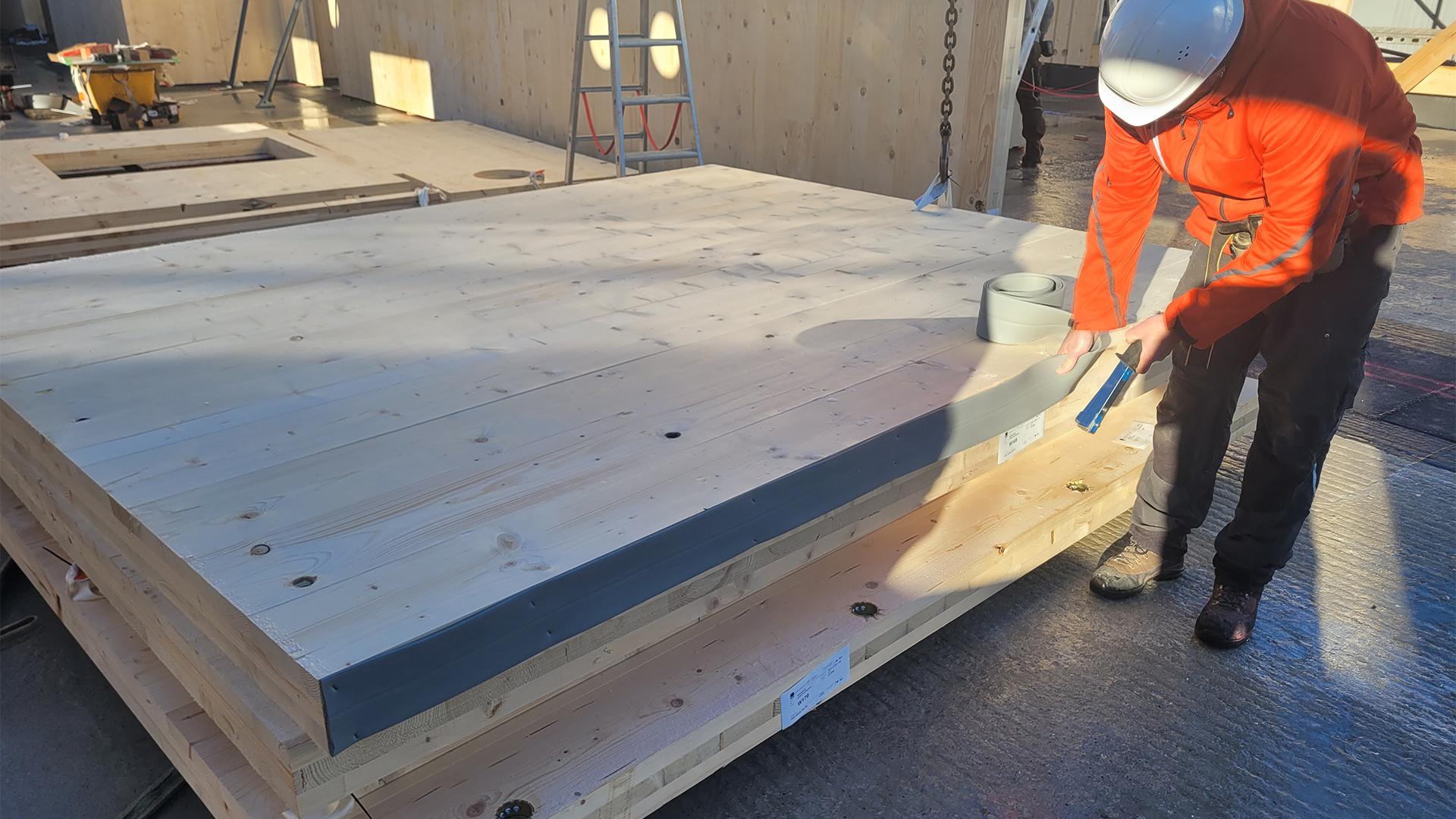
One of the key aspects of the project was ensuring rapid on-site assembly while keeping the CLT protected from moisture during transport and installation.
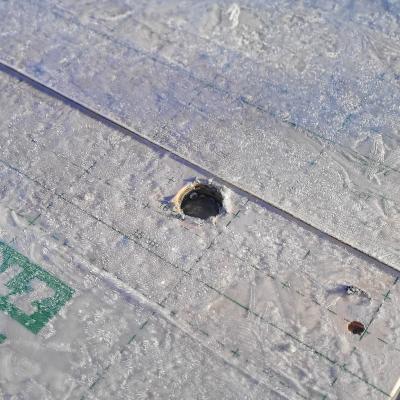
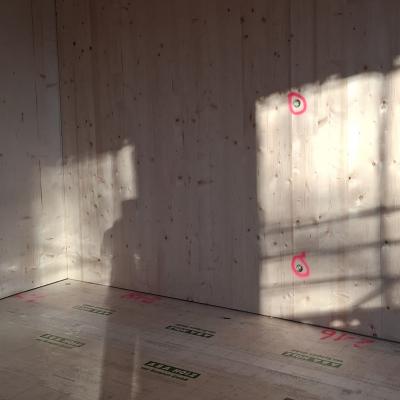
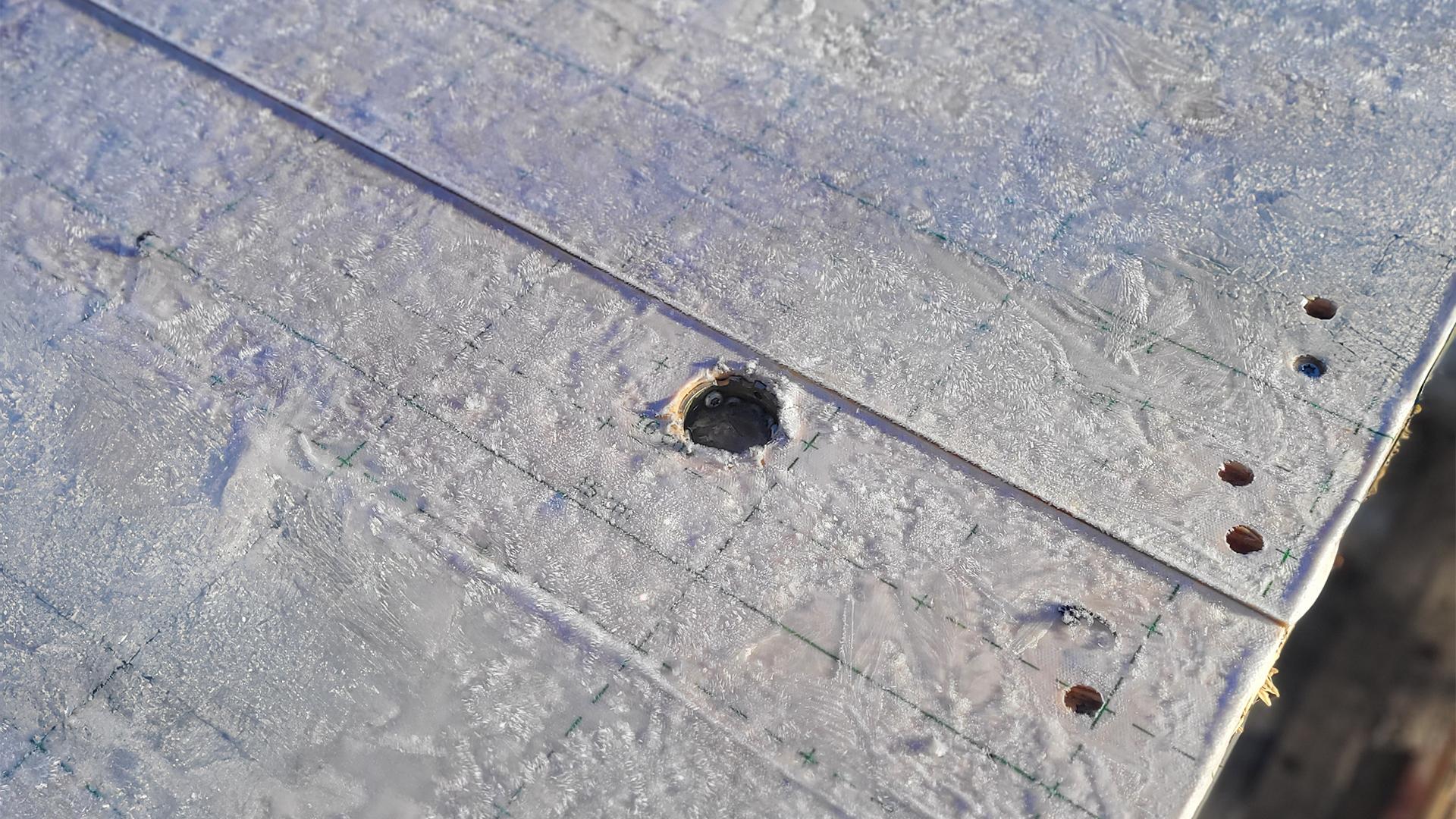
To achieve this, DEFENCE ADHESIVE 200 was used – Rothoblaas' self-adhesive membrane designed to protect building elements during transport and construction – in a customised version featuring the CLT manufacturer's logo. It is waterproof, does not interfere with handling operations and maintains the visibility of assembly markings and fixing holes.
This approach made it possible to reduce variables related to weather conditions, maintaining the same quality control typical of prefabrication even during the assembly stage.
Structural connections and Design for Assembly: the role of the RING system
The technical heart of the project lies in the structural connections. Rothoblaas supplied the entire static fastening system, including:
around 1,700 RING connectors,
1,500 NINO connectors,
TITAN in various sizes and the corresponding structural screws.
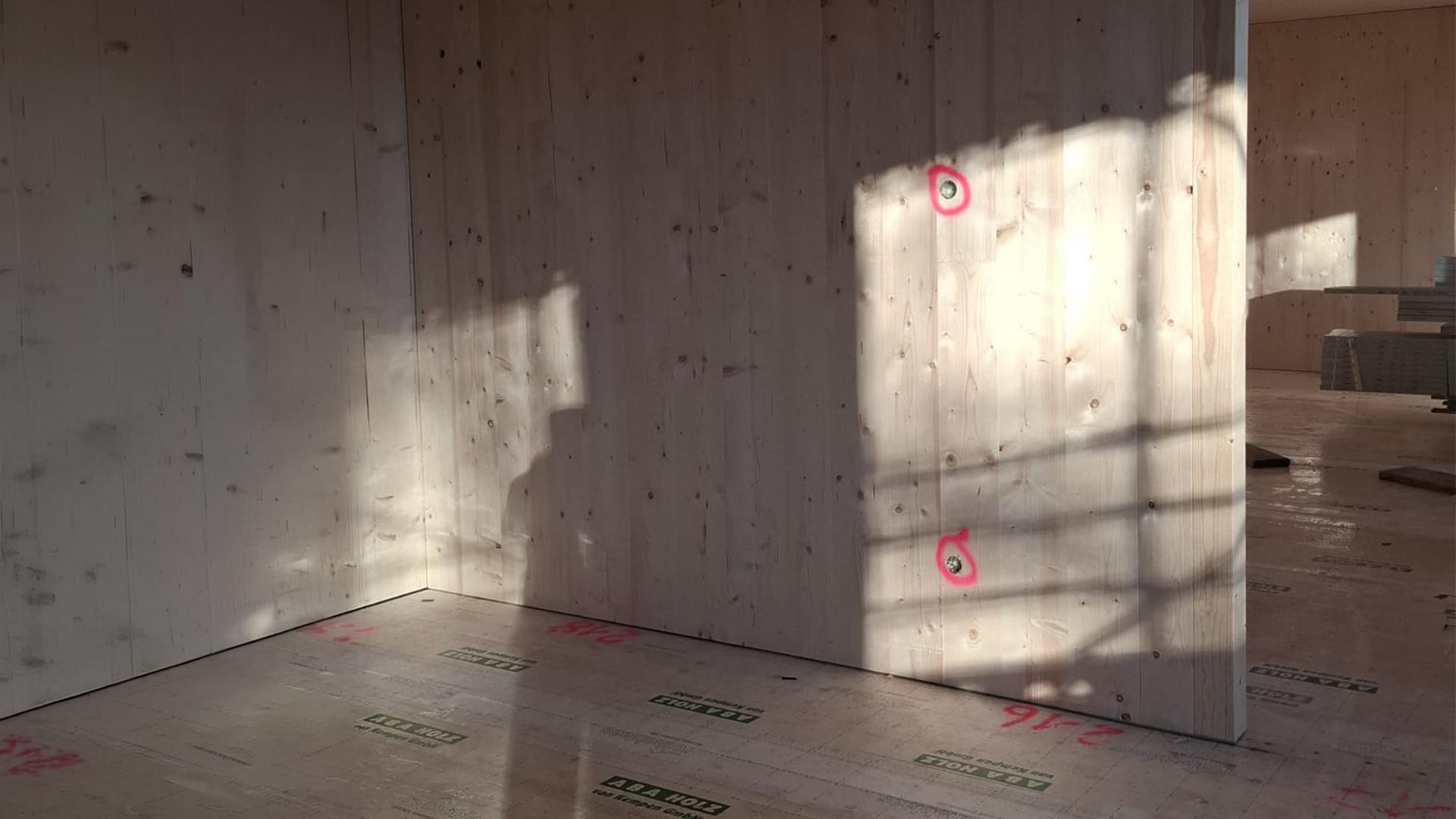
The RING connector in particular proved crucial to the efficiency of the assembly process. Its circular geometry and the double inclination of the screws allow installation completely flush with the panel, making it ideal for off-site prefabrication, transport and rapid on-site assembly.
Thanks to the possibility of pre-installation off site, the panels arrive on site ready to be positioned, dramatically reducing assembly times. Installation is possible from just one side of the wall, simplifying operations even in more complex situations such as multi-storey school buildings.
A further advantage is the possibility of disassembly, in line with the principles of reversibility and sustainability required of contemporary public buildings.
Acoustic comfort and functional requirements in educational environments
For a school building, acoustic comfort is a primary functional requirement. Classrooms and auditoriums require effective control of vibrations and impact noise.
For this project, PIANO was used: an ETA-certified soundproofing profile capable of reducing vibrations and improving acoustic comfort in both lightweight floors and CLT buildings subject to high loads. Available in different versions and geometries, PIANO made it possible to adapt the solution to the expected load while maintaining consistent performance throughout the entire structure.
This project represents a practical example of how a public CLT building can meet new European regulatory requirements through an integrated design-for-assembly approach.
In complex buildings such as schools, designing with assembly in mind is not an option, but a necessary condition to ensure quality, durability and control of the construction process.
Request a sample of RING from your nearest consultant: https://www.rothoblaas.com/contacts
Builder: Holzbau Spiegl
CLT producer e design: ABA Holz van Kempen
Reprodução reservada
Technical Details
- Ano:
- 2026
- Companies:
- Holzbau Spiegl, ABA Holz van Kempen
- Country:
- Germany
- Produtos:
- DEFENCE ADHESIVE NINO PIANO RING TITAN S